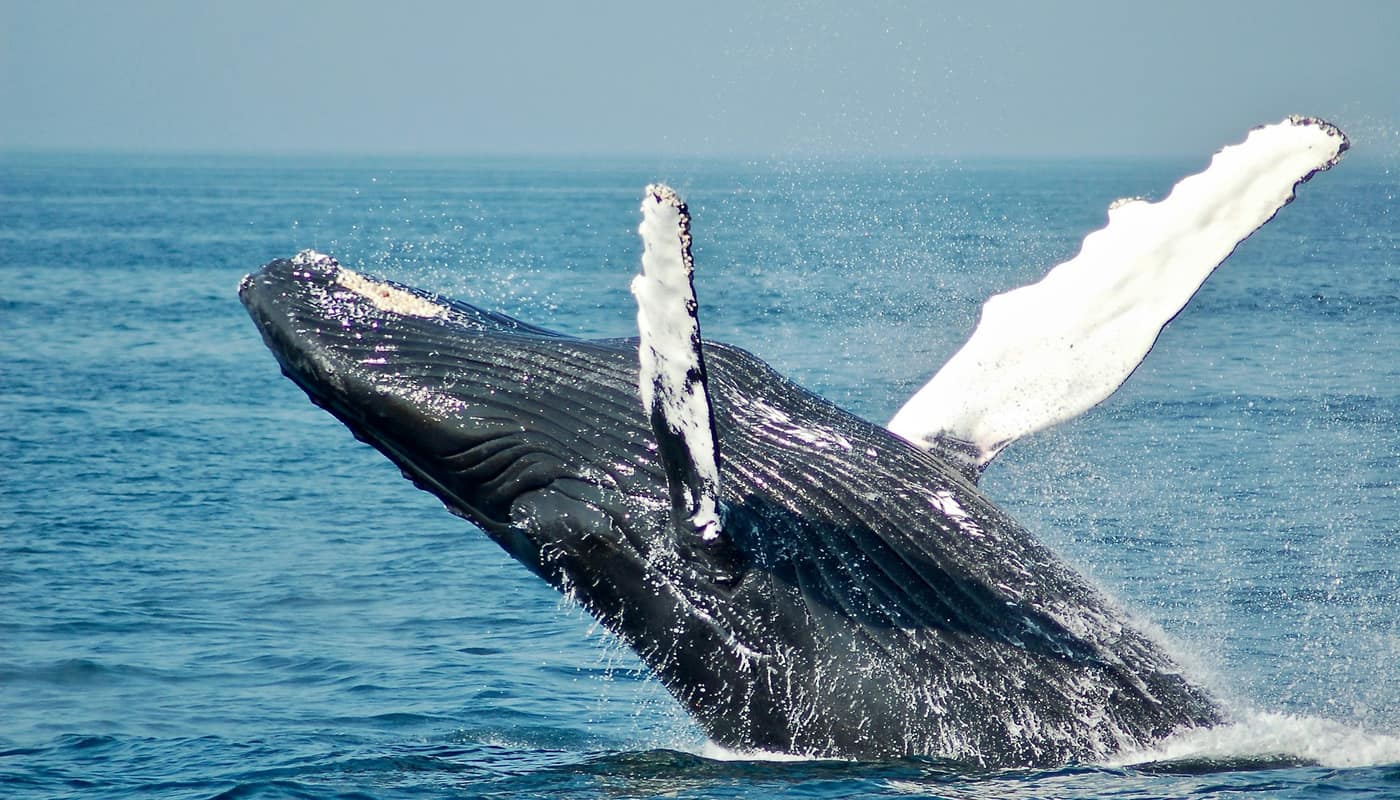
Within sight of one of the largest cities in California, some of the largest animals on Earth swim past. Whale watching is one of the most popular outdoor experiences in San Diego, offered from boats, headlands and even the beach. The experience changes with the seasons, since different species are present at different times, and it comes with rules that protect the animals. A little knowledge about when to go and how to behave makes the difference between a memorable trip and a disappointing, or harmful, one.
What is the best season for gray whales?
Gray whales are the stars of winter. Each year, the Eastern North Pacific gray whale population travels from feeding grounds in the Arctic to breeding lagoons off Baja California, Mexico, and then back north, a round trip of roughly 10,000 miles, one of the longest migrations of any mammal. San Diego lies along the route.
The southbound migration passes the area in the late fall and early winter, with sightings commonly beginning in December and building through January. Mothers with newborn calves head north in late winter and spring, often traveling closer to shore, and sightings continue into March and April. Peak timing varies by year and by source, but the broad window of December through April is widely cited by tour operators and local agencies. Whales may be seen at any point in the season, but mid-winter is often the busiest.
Are there whales in summer?
Yes, but different ones. Blue whales, the largest animals ever known to have lived, feed in the waters off Southern California during the warmer months, drawn by dense concentrations of krill, tiny shrimp-like crustaceans. Tour operators describe blue whale sightings as most likely from roughly June through early fall, though they are less predictable than gray whale encounters. Humpback whales and fin whales also appear in summer and fall, along with large groups of dolphins, sea lions and seabirds.
Because summer whales feed offshore, trips may travel farther from the coast, and sightings depend on ocean conditions and food supply. Many operators note that sightings cannot be guaranteed, and that is part of the nature of wildlife viewing.
How can you watch from shore?
Boat trips are not the only way. Several coastal spots offer land-based views, and winter is the best time. The headland of Point Loma, which includes the overlooks at the national monument described in visiting Cabrillo National Monument, is among the best locations. Bluffs in La Jolla and other coastal parks also offer vantage points. Bring binoculars and patience, look for the blow, the cloud of mist when a whale exhales, and scan the water a few hundred yards offshore. Calm, clear days make blows easier to see.
How do you choose a tour?
Several companies run whale watching trips from San Diego Bay and Mission Bay, ranging from large boats with seating and snacks to smaller vessels that offer a more intimate experience. A few points can help in choosing:
- Duration. Trips often last a few hours, with longer trips allowing time to travel farther.
- Naturalists on board. Guides from marine science organizations can explain behavior and species, and some trips support research or education.
- Policies and conduct. Reputable operators follow federal guidelines for approaching whales and should be willing to explain them.
- Sighting policies. Some offer a free return trip if no whales are seen. Terms vary.
- Comfort and accessibility. Consider the size of the boat, seating, restrooms and whether it suits young children or people with mobility limits.
- Season and species. Check whether the trip is tuned to gray whales in winter or blue whales in summer.
Prices and schedules change by season, so booking details should be confirmed directly with the operator.
What are the rules for whales?
Whales are protected by federal law. The Marine Mammal Protection Act prohibits harassing, hunting, capturing or killing marine mammals, and harassment includes actions that disturb their behavior. Gray whales were removed from the endangered species list after their recovery, though they remain protected under the act, and blue, fin and some humpback populations have additional protections under the Endangered Species Act.
The federal agency that oversees whales, NOAA Fisheries, advises boaters on the West Coast to stay at least 100 yards away from whales, about the length of a football field, and to follow additional guidelines. Mandatory approach distances apply in some places and for some species, so the exact legal requirement depends on location, and operators are expected to follow the guidance. Typical rules of respectful viewing include:
- Keep your distance. Do not approach whales closely, and do not position a boat directly in a whale’s path.
- Reduce speed and noise. Slow down, avoid sudden changes and keep engine noise low near whales.
- Never chase or surround. Approach from the side and behind, not head-on, and avoid separating mothers and calves.
- Limit time. Spend limited time with any one group, so as not to stress animals.
- Do not feed or touch. Both are illegal and dangerous.
Private boaters, kayakers and paddleboarders are covered by the same laws. Whales are large and unpredictable, and curiosity can lead one to approach a small craft, so staying calm and keeping a safe distance is wise.
How do you stay comfortable and safe on a trip?
Ocean trips can be cold and choppy even on sunny days. Dress in layers and bring a windbreaker, a hat and sunscreen, since sun reflects off the water. People prone to motion sickness may want to take medication ahead of time, choose a larger boat and stay in the middle of the vessel and watch the horizon. Bring binoculars and a camera with a zoom lens, but remember to look up from the screen. Follow the crew’s safety instructions.
Why does whale watching matter beyond fun?
Whale watching supports an industry that provides jobs in the tourism sector and educates people about ocean life, a theme in the regional economy guide. It also highlights threats to whales, including ship strikes, entanglement in fishing gear, noise and changes in food supply caused by shifting ocean conditions. Busy shipping lanes into the port, described in what the Port of San Diego manages, overlap with whale habitat, and efforts to reduce collisions include voluntary speed reductions and monitoring. Scientists track the whales’ health, and local researchers help understand how marine mammals use the coastline.
Anyone who sees a whale in distress, such as one entangled in gear or stranded, can report it to the appropriate authorities, which in California include NOAA’s stranding network, rather than attempting to help directly.
What should visitors remember?
The best advice is to be flexible and respectful. A gray whale passing near a headland in January or a blue whale surfacing far offshore in July are both moments that cannot be scheduled. The experience is part of what makes San Diego’s coast distinctive, and following the rules is how it stays that way.
Sources: NOAA Fisheries West Coast Region; National Park Service Cabrillo National Monument; Marine Mammal Protection Act; San Diego Natural History Museum