Every summer, downtown San Diego changes character for a few days. Costumed visitors fill the sidewalks around the convention center, hotels sell out, lines snake through the Gaslamp Quarter and the city becomes a stage for movie, television and comics fans. Comic-Con International, usually just called Comic-Con, is both a cultural event and a major piece of the local economy, and the relationship between the convention and the city has shaped how San Diego thinks of itself as a host for large events.
How did Comic-Con begin?
The convention started in 1970 as a small gathering of comic book fans, organized by a group of volunteers who wanted a place to meet creators and trade comics. Early events drew a few hundred people and were held in modest venues, including a hotel and a downtown building. Over the years, the event moved to larger spaces as attendance grew, and its focus widened beyond comic books to include science fiction, fantasy, animation, film, television, games and collectibles.
Comic-Con is run by a nonprofit organization, Comic-Con International, which is organized as a public benefit corporation with an educational and charitable purpose. The group describes its mission as creating awareness of and appreciation for comics and related popular arts. That nonprofit status distinguishes it from many commercial conventions, though it still charges for badges and exhibitor space to cover its costs.
Attendance has grown to well over 100,000 people, and published estimates for recent years have been around 135,000 across the four days. The organization has capped attendance and sold advance tickets to manage the crowds, and the demand has long exceeded supply.
What happens at the convention?
Comic-Con is many events in one. Its main elements include:
- The exhibit hall, a vast floor of booths from publishers, studios, toy makers, artists and retailers, where visitors can browse, buy and meet creators.
- Panels and presentations, hundreds of sessions covering comics, television series, films, animation, games and the business of entertainment. The largest rooms host well-known studio presentations that draw long lines.
- Artists’ Alley and the Small Press area, where independent creators sell their work and talk with fans.
- Screenings, masquerades and events, including film showings, a costume competition and awards for comics.
- Programming for professionals, such as events on teaching, librarianship and careers.
Beyond the convention center, a wide ring of unofficial events, fan gatherings and brand activations spreads across downtown, which is part of what makes the week feel citywide.
How do badge sales work?
Because demand is so much higher than capacity, getting a badge is a process in itself. Over the years, the organization has changed how it sells them, shifting from in-person sales to online registration. Buyers generally create a member account first, then take part in a sale that uses an online waiting room to manage traffic, with a limited number of badges offered at set times. Specific rules about the number of badges per person, the types of badges and the timing change from year to year, so the convention’s official website is the only reliable source. Resale and scalping are discouraged, and the organization says that badges are not transferable in ways that violate its rules. Anyone looking for a badge should be wary of third-party sellers and offers that sound too good to be true.
What does it mean for San Diego?
The convention is closely tied to the city’s tourism industry. Attendees fill hotels, restaurants and bars, and the event generates tax revenue for the city, including the transient occupancy tax on hotel stays, a topic touched on in the regional economy guide. Local officials have estimated that the convention brings a large economic impact, and the city has worked to keep it from moving to other cities that offered competing facilities. The convention’s agreements with the city and the convention center authority have been extended several times, most recently to commit the event to San Diego for years ahead, though the specific terms are best checked in current announcements from the city and the organization.
The event also tests the city’s infrastructure. Streets near the convention center are closed or congested, hotels charge peak rates and transit is crowded. Visitors can reduce the strain by using the Trolley and buses, which are described in riding the Trolley and buses, and by planning to walk between venues. Local residents often develop their own strategies, from avoiding downtown during the week to treating it as a chance to explore the festivities.
What is the Comic-Con Museum?
The organization also runs a year-round museum in Balboa Park, which opened in 2021 in a historic building constructed for the 1935 exposition. It had previously housed the San Diego Hall of Champions sports museum. The Comic-Con Museum presents exhibits on comics, animation, film, television and popular culture, hosts programs and events and offers educational activities, with the aim of bringing the spirit of the convention to the public beyond the four days of the show. Its location in the park connects it to the larger cluster of cultural institutions, described in a visitor’s guide to Balboa Park.
How can visitors enjoy the week without a badge?
Many people come to the area during Comic-Con without attending the convention itself. Free and ticketed events around town, from public screenings to outdoor activations, give fans a way to take part. Restaurants and bars around the Gaslamp Quarter and the Embarcadero often host themed events. San Diegans who just want a sense of the spectacle can walk the sidewalks near the convention center, where costumes and displays are visible to everyone.
For those who do attend, some practical tips help. Wear comfortable shoes, carry water, plan meals ahead, since lines are long, and allow extra time to move between buildings. Keep belongings secure in crowds. Take advantage of the many nearby places to eat and drink, including the breweries covered in the craft beer guide.
What about safety, accessibility and etiquette?
The convention publishes rules for attendees, including policies on costumes and props, photography and harassment. A widely known principle among fans is that a costume is not consent: people should ask before taking a photo of someone in costume and respect a refusal. Accessibility services, such as accommodations for people with disabilities, are available through the organization’s access office, and requests generally need to be made ahead of time. Families with children should check the age policies for badges, and everyone should plan for crowds, heat and long lines by bringing water and a charged phone.
Why the convention endures
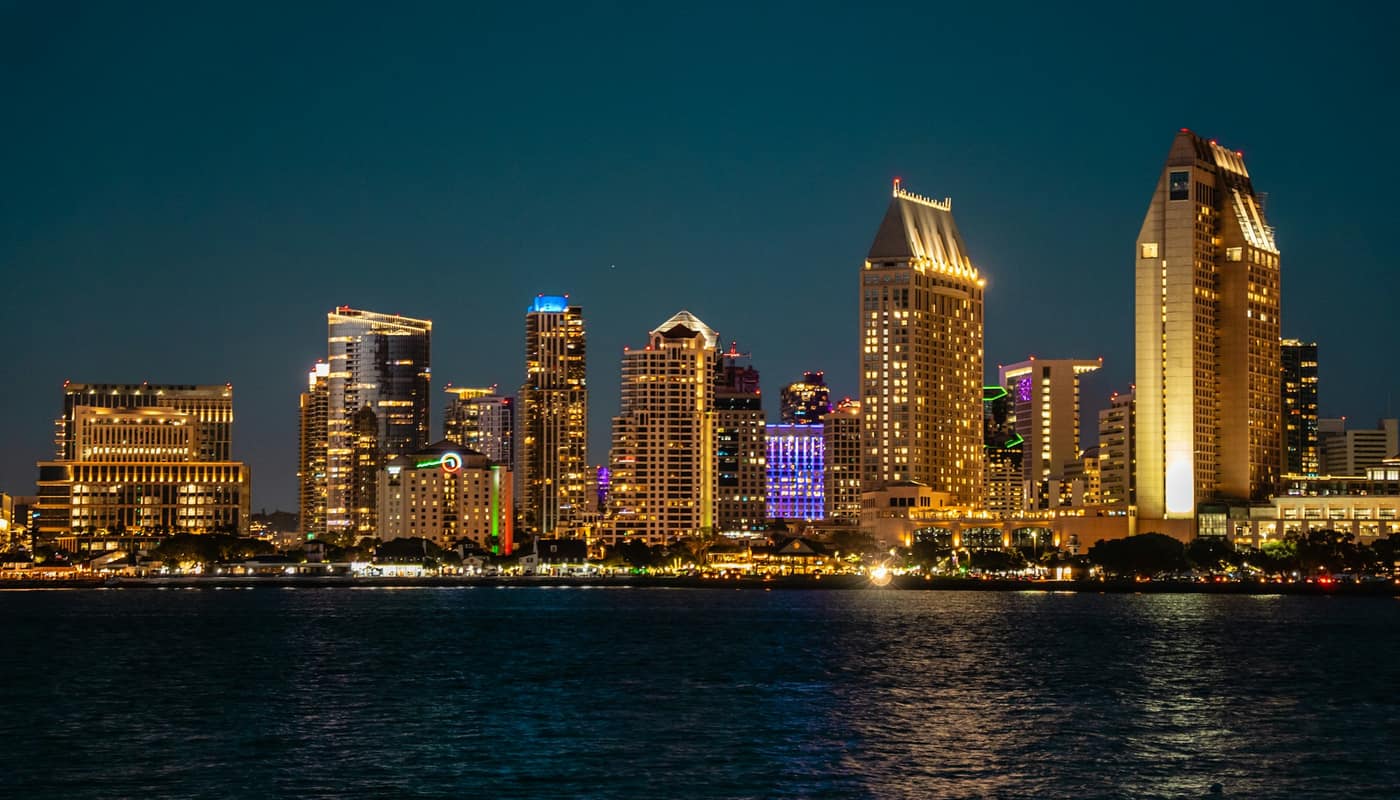
Comic-Con’s story is a reminder that cultural phenomena often begin small. A handful of volunteers organized the first events, and a generation of fans, creators and entertainment companies helped them grow. Despite criticism that the event has become more about big studio marketing than about comics, its roots remain visible in Artists’ Alley and in the panels where creators talk about their craft. For San Diego, the convention is both a source of income and a point of civic identity, and the city’s skyline has become part of the image the event presents to the world.
Sources: Comic-Con International; City of San Diego Office of the Mayor; San Diego Tourism Authority; Comic-Con Museum