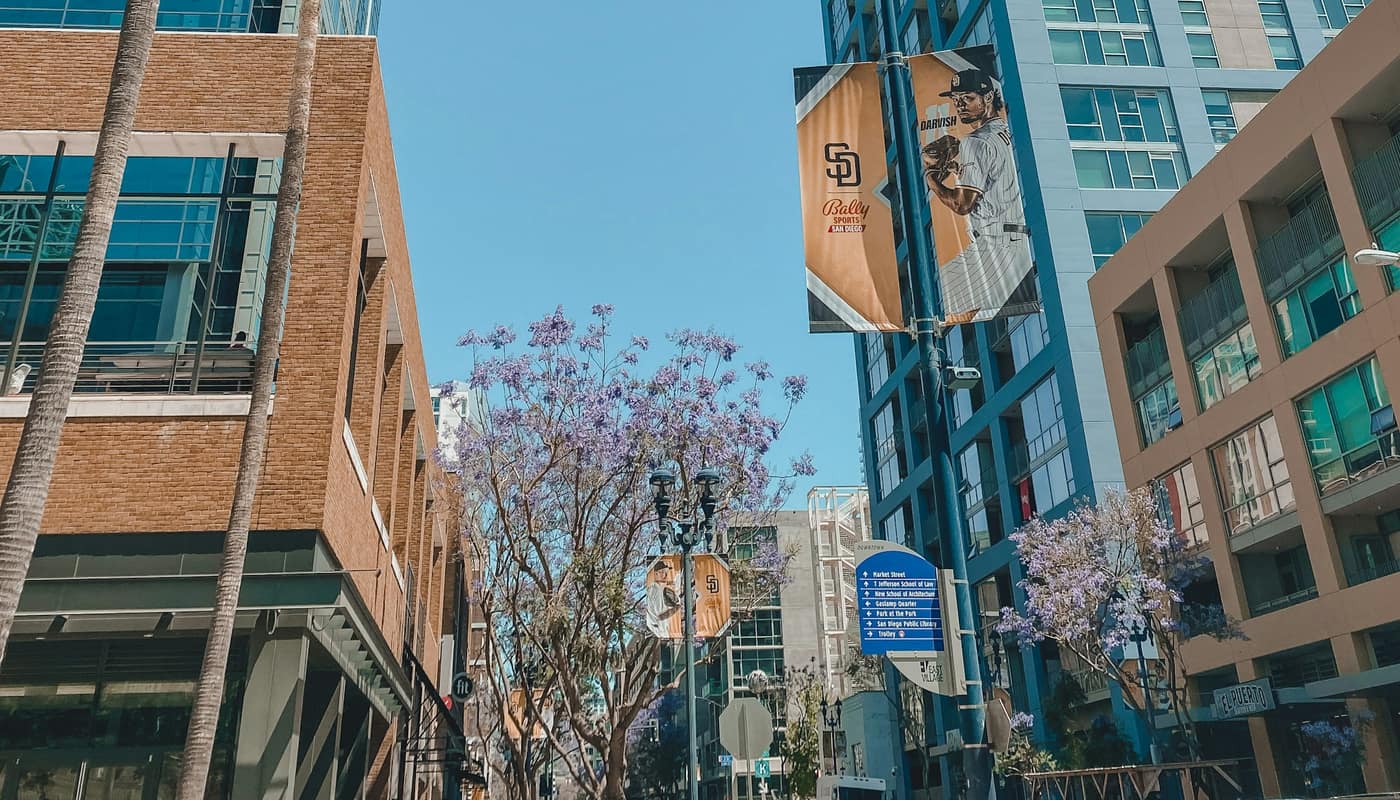
Ask residents of San Diego who runs their city and many can name the mayor. Ask who runs the county and the answer is often a shrug, even though the county government touches daily life in ways city hall does not: food safety inspections, public health orders, child welfare, the jails, the property tax rolls, and the machinery that runs every election. The body at the center of that government is a five-member Board of Supervisors.
Who sits on the board, and how are they chosen?
The county is divided into five districts, and voters in each district elect one supervisor to a four-year term. Supervisors are chosen in nonpartisan elections held in the statewide primary and general election cycle, with the seats staggered so that not all five are on the ballot at once. Voters in the county also approved term limits for supervisors, which restrict how many terms a person may serve.
Because there are only five supervisors, each one represents an enormous population, far larger than a city council district. The county covers roughly 4,200 square miles from the Pacific coast to the desert in the east, and its 18 incorporated cities sit inside it. A supervisor’s district can include parts of several cities along with unincorporated communities and rural land that no city governs.
What does the board actually do?
The board is unusual because it combines two jobs that are separated in most city and state governments. It is the legislature, adopting ordinances and policies. It is also the executive authority, setting direction for county departments and approving how they spend money. The work is done through a chief administrative officer, a professional manager appointed by the board who oversees most departments and prepares the recommended budget.
Specific responsibilities include:
- Public health and social services. The county runs public health programs, behavioral health services, child welfare, and benefit programs such as food assistance and health coverage, much of it paid for by state and federal funds that the county administers.
- Land use in unincorporated areas. For communities not inside a city, the county decides zoning and development, and its general plan governs growth.
- Roads and parks in unincorporated areas. County departments maintain road networks and regional parks outside city limits.
- Elections. The county’s Registrar of Voters runs elections for all jurisdictions in the county, including city, school and state contests. The mechanics are covered in how to vote in San Diego County.
- Law enforcement and justice funding. The board approves budgets for the Sheriff’s Department, the District Attorney, the Public Defender and the Probation Department, even though the Sheriff and District Attorney are elected separately.
- Emergency preparedness. The county’s Office of Emergency Services coordinates the region’s response to disasters, including wildfire. Wildfire preparedness in San Diego County explains how residents can plan.
What does the board not control?
The list of things that sound like county business but are not is just as important:
- City services within a city. Police, fire, streets and parks inside the city of San Diego, Chula Vista, Oceanside or any other city belong to that city’s government. The mayor and council, covered in how the city’s government is organized, make those decisions.
- Public schools. School districts are separate government bodies with their own elected boards.
- Regional transportation. Transit operations and regional planning belong to the Metropolitan Transit System and SANDAG, which are separate agencies, though supervisors sit on their boards.
- The independently elected officers. The Sheriff and the District Attorney answer to voters, not to the board. The board can set budgets but cannot direct individual law enforcement or prosecution decisions.
That final point comes up often in public debate. A supervisor can propose funding or ask for a report, but a decision about whether to charge a specific case is the district attorney’s alone.
What about fire protection and unincorporated communities?
For residents of unincorporated areas, the county does what a city would otherwise do. It provides fire protection through San Diego County Fire, works with the Sheriff’s Department for law enforcement in places without a city police force, and decides zoning, building permits and road maintenance. In communities such as Alpine, Ramona, Fallbrook and Julian, supervisors therefore act as the equivalent of a city council, and a resident’s request for a stop sign or a permit often goes to a county department rather than a city office. That role is why county land-use votes can be controversial in backcountry communities, where growth and wildfire risk are always part of the conversation.
How is the county budget set?
The county operates on a fiscal year that begins July 1, like the city. The chief administrative officer releases a recommended budget in the spring, the board holds public hearings, and it adopts a final budget in June. The county’s plan is organized around an operational plan with a multi-year outlook, and its documents are posted on the county’s open budget website.
A large share of county spending comes from state and federal programs rather than from local taxes. That matters because it limits how much discretion supervisors have. Many programs, particularly in health and human services, are mandated by state or federal law, which sets who must be served and often how, leaving the county to administer them.
Why county government can feel invisible
Most services that the county provides are not delivered with a city hall counter. They are delivered in clinics, courthouses, assessor’s offices, and online portals. A resident may deal with county government when registering to vote, recording a deed, applying for health coverage, getting a food-facility permit, or looking up a restaurant’s health inspection. The county also handles property tax bills through its Treasurer-Tax Collector, although the rate is set by state law and local measures, as California’s Proposition 13 established decades ago.
Because of that low profile, the supervisors’ decisions often receive less attention than they deserve. Votes on land use in the backcountry, funding for behavioral health, and contracts for services can shape the lives of hundreds of thousands of people.
How residents can reach the board
The board meets regularly in public at the County Administration Center downtown, and the agendas are posted ahead of time. Anyone can speak during public comment, submit written comments, or attend remotely when that option is offered. Each supervisor also has a district office, which handles constituent requests and can point residents to the correct department.
For practical purposes, the three most useful documents are the agenda for an upcoming meeting, the recommended budget for the current year, and the county’s general plan. Together they show what the board is about to decide, how it plans to pay for it, and what rules guide development in the unincorporated areas.
County government is large, layered and often confusing, but its basic logic is simple: five elected officials, one professional administrator, and a long list of services that state law assigns to counties. Knowing that structure is the first step toward asking the right office the right question.
Sources: County of San Diego Board of Supervisors; County of San Diego Chief Administrative Office; County of San Diego Registrar of Voters; San Diego County Charter