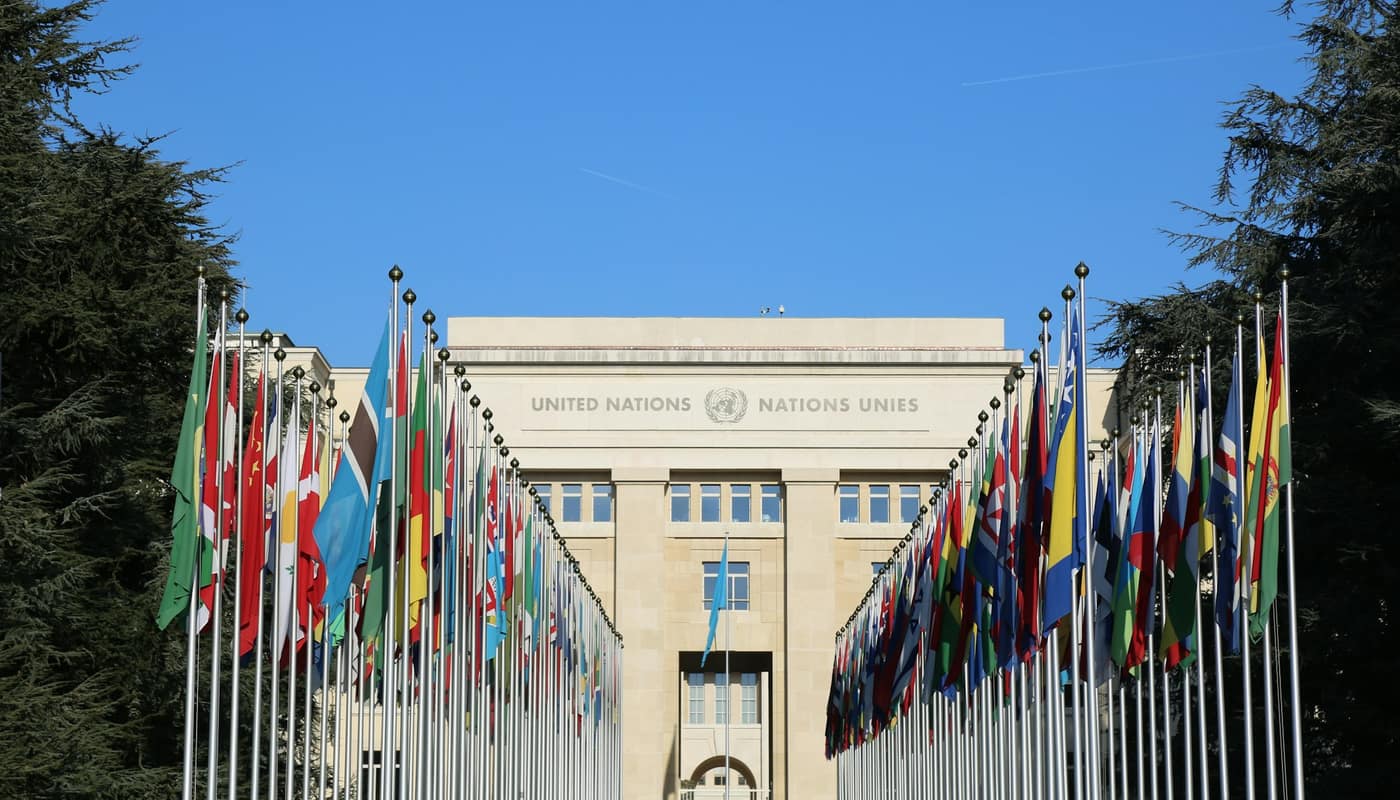
The World Health Organization is one of the best-known agencies of the United Nations, and also one of the most politically charged. It is credited with coordinating the eradication of smallpox and criticized for its handling of various outbreaks. During the COVID-19 pandemic it became a daily presence in the news, and the debates that followed over its authority, its funding and its relationship with member countries have continued. Looking past the headlines, the organization has a defined structure and a defined, limited role.
What is the WHO, and how did it begin?
The WHO was established in 1948 as a specialized agency of the United Nations, with its headquarters in Geneva, Switzerland. Its founding constitution states a broad objective: the attainment by all peoples of the highest possible level of health. It operates through a central secretariat in Geneva, six regional offices and country offices around the world. The regional structure matters, because each region has its own committee and director and a degree of independence. The Pan American Health Organization, which covers the Americas and is based in Washington, is both a regional office of the WHO and an older international body in its own right.
Membership is open to states, and nearly every country in the world has been a member. Membership can change. A country may withdraw under the terms set when it joined, and some governments have used that option in recent years.
How is the WHO governed?
The supreme decision-making body is the World Health Assembly, which meets each year, usually in May, in Geneva. Delegations from member states debate the organization’s priorities, approve its budget and vote on resolutions and agreements. A smaller Executive Board, made up of technical experts designated by member states, meets several times a year to prepare the Assembly’s work and carry out its decisions. The Director-General, elected by the Assembly on the Board’s nomination, leads the secretariat.
Decisions are made by member states, which means the organization reflects the politics of its members. The WHO can recommend, advise and coordinate, but it is not a world government for health, and it has no authority to enter a country or compel it to act.
What does the organization actually do?
The WHO’s work falls into several broad categories:
- Setting norms and standards. It publishes guidelines on topics from clinical care to air quality and water safety, maintains the International Classification of Diseases used worldwide for health statistics, and keeps lists of essential medicines.
- Coordinating outbreak response. It monitors disease reports, supports laboratories and sends experts to help countries respond to outbreaks of diseases such as Ebola, cholera and influenza.
- Supporting health systems. It provides technical help to governments on vaccination programs, maternal and child health, nutrition and disease control.
- Collecting data. It compiles data on health trends and publishes reports used by researchers and policymakers.
- Convening negotiations. It hosts talks on treaties and agreements, such as the Framework Convention on Tobacco Control.
Some of its most notable achievements involved long, coordinated campaigns. The eradication of smallpox, declared in 1980, was a global effort led by the WHO, and similar campaigns have brought polio close to elimination. These successes depended on national governments, local health workers and donors, with the WHO as a coordinator.
What are the International Health Regulations?
The International Health Regulations are a legally binding framework, adopted by member states and revised in 2005, that governs how countries detect, report and respond to public health events that could cross borders. They require countries to develop core public health capacities and to notify the WHO of certain events. They also give the WHO’s Director-General the authority to declare a “public health emergency of international concern,” which triggers recommendations for countries.
The regulations bind states that have accepted them, but their enforcement depends on cooperation and reputation, not penalties. Amendments have been negotiated in recent years to strengthen the system.
How is the WHO funded?
Funding is a central issue. The organization receives two kinds of money. Assessed contributions are dues based on each member’s wealth and population, and they provide a core budget that the organization can use flexibly. Voluntary contributions come from governments, foundations and other donors, and they are usually earmarked for particular programs. Over time, voluntary funds have grown to make up most of the budget, which critics say gives donors outsized influence over the agenda and makes it hard to plan for long-term needs. The WHO’s leadership has pushed to increase assessed contributions to improve stability.
Where does the United States stand?
The United States was a founding member and for years the WHO’s largest single financial donor. In January 2025, the U.S. president signed an executive order beginning the process of withdrawing from the organization, which, under the terms of the U.S. joining resolution, required a year’s notice. According to the U.S. Department of Health and Human Services, the withdrawal took formal effect on January 22, 2026, and the U.S. has ceased funding and staffing of WHO initiatives. The WHO has disputed some of the reasons given for the withdrawal, and the governing bodies of the organization have discussed how to handle the change.
The decision is a matter of continuing debate in the U.S. and abroad. Supporters of withdrawal argue the organization is inefficient and too influenced by other governments, while critics say it weakens disease surveillance and global cooperation. Public health agencies in the United States, including state and local health departments, continue to rely on the Centers for Disease Control and Prevention and other domestic partners, and the practical consequences of the change are still being worked out.
What is the pandemic agreement?
After COVID-19, member states negotiated a new international agreement on preventing and responding to pandemics. The World Health Assembly adopted the Pandemic Agreement in May 2025, but it cannot take effect until a related annex on pathogen access and benefit-sharing is completed. That annex addresses how countries share samples and genetic data on dangerous pathogens and how the benefits of resulting vaccines and treatments are distributed. Negotiations on it were extended and, as of the most recent reporting available, were not finished. Like any treaty, the agreement would bind only states that join it, a process described for the U.S. in how treaties are ratified by the Senate.
Why does the WHO matter locally?
Public health is local as well as global. In San Diego County, the county’s health agency, covered among other functions in what the Board of Supervisors controls, monitors outbreaks, runs clinics and issues health orders. A region with a busy international border, described in how the San Ysidro crossing works, and a major airport has a particular stake in how quickly information about outbreaks travels across borders. Global surveillance helps local officials learn of a threat early, and shared standards for vaccines and diagnostics affect the supplies local clinics receive.
How to evaluate claims about the WHO
Claims about the organization can be checked against primary documents. The WHO’s website posts its constitution, the International Health Regulations, Assembly resolutions, budget documents and situation reports. Official U.S. government statements and congressional research reports describe the American position. A good rule of thumb is to separate what the WHO recommends from what member states decide to do, since much of the controversy involves the choices of governments, not the organization’s powers.
Sources: World Health Organization; U.S. Department of Health and Human Services; Centers for Disease Control and Prevention; Pan American Health Organization